Lil Scrappy Net Worth: The Street’s Accountant — A Life Measured in Beats, Battles, and Reinvention
Surviving was the foundation of Darryl Richardson III’s career, and the maths of that survival is more intricate than any chart position.
Quick Facts
| Detail | Information |
| Full Name | Darryl Raynard Richardson III |
| Stage Name | Lil Scrappy |
| Born | January 19, 1984, Atlanta, Georgia |
| Nationality | American |
| Occupations | Rapper, Songwriter, Record Producer, Reality TV Personality |
| Active Years | 2003–present |
| Labels | BME Recordings, G-Unit South, Warner Bros., Reprise, Def Jam, Interscope (among others) |
| Notable Works | Bred 2 Die Born 2 Live (2006), Prince of the South (2008), Tha GruStle (2012) |
| Signature Singles | “Head Bussa” (2003), “No Problem” (2004), “Money in the Bank” (2006) |
| Est. Net Worth | ~$900,000 (as of 2025) |
| Children | Four: Emani (with Erica Dixon), Breland, Xylo, and Cali (with Bambi Benson) |
| Marriage | Adizia “Bambi” Benson (m. 2017, div. 2023) |
| Mother | Known publicly as “Momma Dee” |
The Weight of the Street
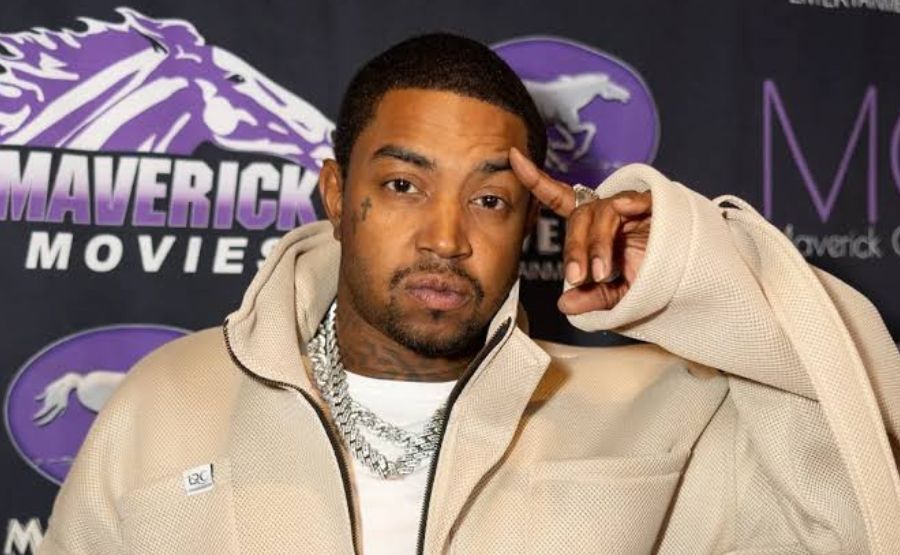
Twenty years on, the name Lil Scrappy still conjures a specific sound — bass-heavy, chest-forward, confrontational. That sound was never manufactured. It arrived fully formed from the streets of Atlanta’s hardest neighborhoods, carried by a boy who began writing rhymes before he had the language to describe what drove him to do it.
Scrappy matters today not because he conquered the music industry, but because he endured it. His story is one of genuine talent navigating genuine hardship, and the gap between those two things tells us something true about who gets to become a star and who gets to stay one.
See also ”Sol Xochitl: The Woman Who Chose Silence”
Born Into the Hustle: Early Life in Atlanta
Atlanta in the mid-1980s was a city in motion — culturally explosive, economically divided, and producing a generation of young Black men who would either bend the culture or be broken by it. Darryl Richardson III was born into that tension on January 19, 1984.
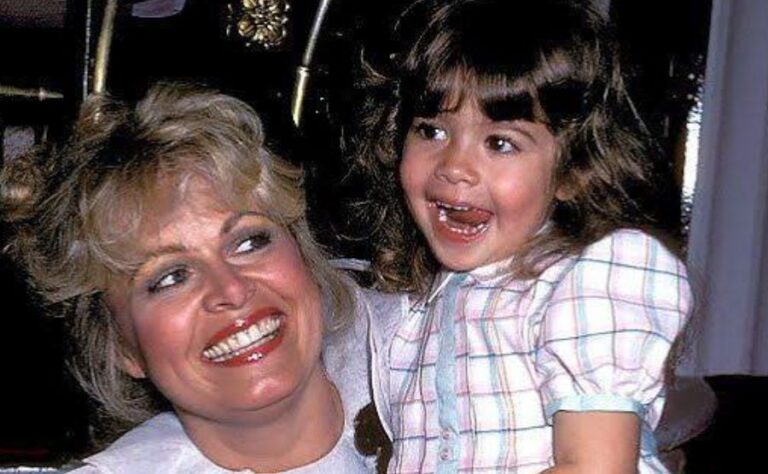
His father was absent from the beginning. His mother, known to millions of reality television viewers as “Momma Dee,” raised him largely on her own while operating on the margins of the law, reportedly involved in drug distribution and other illicit economies. It was not a gentle childhood.
What it offered instead was an education in survival, in reading rooms and situations, in the particular Atlanta vernacular of toughness and loyalty. These qualities — stubbornness, street intelligence, an instinct for performance — would become the foundation of a career. Scrappy began writing rhymes as a young child, not out of ambition but out of necessity, the way many poets in hard circumstances first discover that language can be a container for pain.
He built his reputation the old-fashioned way: performing at local clubs, passing through Atlanta’s nightlife circuit with a growing repertoire of original material. By 2002, crowds at venues like Club Legacy were shouting back his lyrics before the hook even arrived.
The Discovery: Lil Jon and the BME Years
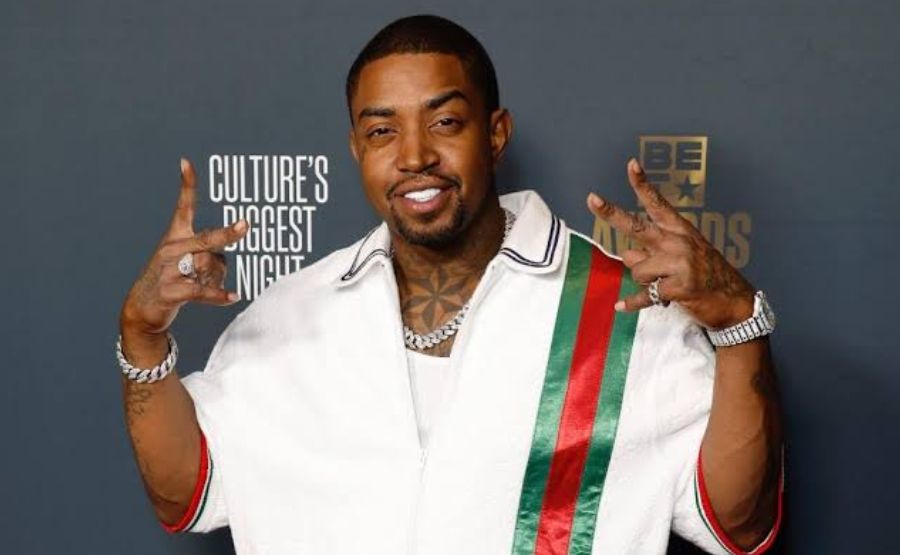
The mythology of discovery in hip-hop is usually exaggerated. Lil Scrappy’s is not. Producer and rapper Lil Jon — already established as the King of Crunk — witnessed Scrappy performing at an Atlanta venue and saw something unmistakable. What sealed the deal, according to one account, was not just the music but the reaction: fights broke out in the crowd. In the crunk ecosystem, that kind of visceral response was currency.
Scrappy was signed to BME Recordings, making him one of the label’s very first artists alongside Trillville. The label’s deal with Warner Bros. gave him a runway most Atlanta street rappers never received. He built regional momentum through a relentless mixtape campaign, and in 2003 released “Head Bussa” — a track so attuned to the Southern street ethos that the Atlanta Braves later adopted it as a stadium anthem. It reached No. 73 on the Billboard R&B/Hip-Hop chart, modest by pop standards, enormous for a debut.
The 2004 collaborative split album with Trillville — The King of Crunk & BME Recordings Present: Trillville & Lil Scrappy — peaked at No.earned gold at number 12 on the Billboard 200.The single “No Problem” climbed to No. 24 on the charts. Scrappy was no longer a regional secret. He was a contender.
Peak Crunk: Bred 2 Die Born 2 Live
His 2006 solo debut remains the high-water mark of Scrappy’s recording career, not merely because of its chart performance but because of what it represented. Bred 2 Die Born 2 Live arrived with a marquee cast — 50 Cent, Young Buck, Lil Jon, Three 6 Mafia, Yung Joc — and a title that read like autobiography.
The lead single “Money in the Bank,” featuring Young Buck and produced by Isaac Hayes III, became his signature. It peaked at No. No. 28 on the Billboard Hot 100. 7 on the Hot R&B/Hip-Hop Songs chart, spending 20 weeks on the chart. The song also appeared in the WWE SmackDown vs. Raw 2007 video game, demonstrating the cross-platform reach that defined mid-2000s hip-hop marketing.
The album itself reached No. 24 on the Billboard 200. For a 22-year-old from Atlanta’s underside, these were not small numbers. They represented an arrival.
And then, slowly, the center would not hold.
The Long Fade: Commercial Decline and Creative Persistence
The years following Bred 2 Die are the chapters that biographies most often gloss over, but they are arguably where Scrappy’s character reveals itself most clearly.
Prince of the South arrived in 2008. It was competent and true to his style, but the crunk wave had crested. The Atlanta of T.I., Young Jeezy, and finally trap music were replacing the cultural moment that had elevated Lil Jon, Crime Mob, and Scrappy himself.Scrappy’s aesthetic, so perfectly suited to one era, found diminishing returns in the next.
Prince of the South 2 followed in 2010 on Real Talk Entertainment, an independent imprint. Singles “Addicted to Money” and “Bad” failed to chart. Tha GruStle appeared in 2012, with “No Love” garnering initial online traction but no mainstream breakthrough. Confident arrived in 2018, largely unheralded.
What kept Scrappy relevant was not a musical reinvention but a personal one — or rather, the public documentation of his personal struggles. In 2012, he joined the cast of Love & Hip Hop: Atlanta, a decision that would define the second chapter of his public life entirely.
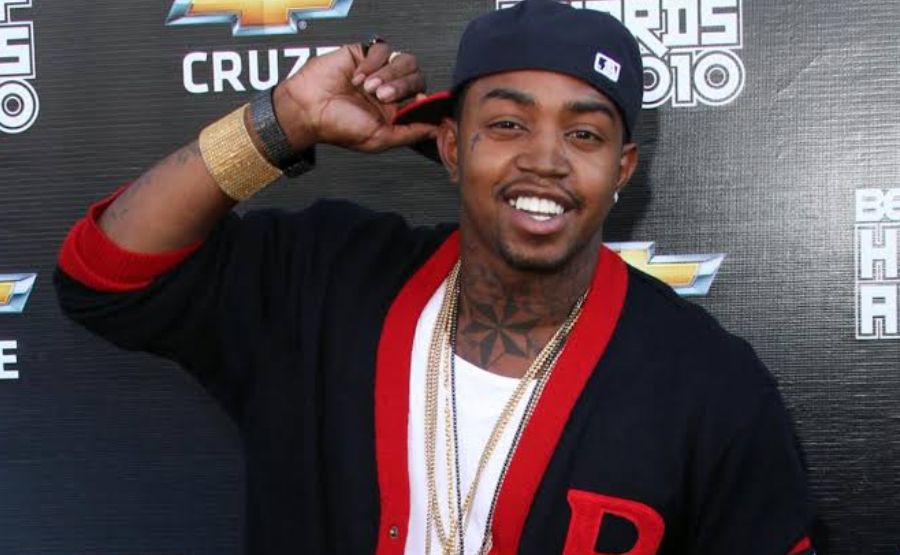
Reality Television: A Double-Edged Stage
Love & Hip Hop: Atlanta is a melodramatic, confessional, commercial, and cultural document all at once.When Scrappy joined its original cast, he brought with him all the unresolved tensions of his real life: fractured romance, legal pressure, addiction, fatherhood, and the particular psychic wound of the nearly-famous.
The show’s early seasons centered on his turbulent relationship with Erica Dixon, the mother of his daughter Emani. Their dynamic — loyalty tested by infidelity, love complicated by immaturity — played out in front of millions with an honesty that was sometimes difficult to watch. A physical altercation with fellow cast member Stevie J in the first season illustrated how thin the membrane between reality and television could be.
What the show documented, often without comment, was a man struggling with the consequences of his own decisions. The cameras captured his drug court appearances, his detours into other relationships — including a fling with Shay Johnson that ignited conflict with Dixon — and his gradual emotional reckoning with who he had been and who he needed to become.
His later relationship with model Adizia “Bambi” Benson began in Love & Hip Hop‘s third season and became one of the show’s longest-running arcs. Their wedding in Las Vegas on September 8, 2017, was documented. Their struggles and eventual divorce in 2023 were, too.
Addiction, PTSD, and the Courts
Perhaps the most significant story in Scrappy’s life that gets reduced to tabloid shorthand is his legal and addiction history. The bones of it are documented: he was on probation stemming from a 2008 felony charge involving a gun and marijuana. In 2013, he was caught attempting to tamper with a court-ordered urine sample, jailed briefly after refusing to provide a new one, and eventually failed a retest that came back positive for marijuana.
What followed was a month-long inpatient rehabilitation stay beginning May 30, 2013. But the detail that resists reduction is what his attorney disclosed in court: Scrappy had been diagnosed not only with marijuana addiction but with post-traumatic stress disorder. He had been smoking marijuana daily since the age of twelve, he said publicly, using it as a mechanism for managing anxiety he had likely carried since childhood.
“I couldn’t even stop,” he told Atlanta radio station V103 before checking in. “I wanted to, but I couldn’t stop.”
That admission — frank, unguarded, made in a public forum — was not the statement of a man playing a character. It was a person trying to understand themselves. After completing the program, Scrappy committed to mentoring troubled youth, a pivot that received far less attention than the arrest that preceded it.
Personal Life: Love, Family, and the Cost of Being Known
Lil Scrappy has four children. His eldest, Emani, was born from his lengthy relationship with Erica Dixon — a relationship marked by genuine feeling and genuine failure, often in the same week. His three children with Bambi Benson — son Breland (born 2018) and daughters Xylo (born 2020) and Cali (born 2021) — arrived during what appeared to be the most settled period of his adult life.
The marriage to Bambi lasted six years, but the private pressures that eventually dissolved it were apparent to viewers long before any formal separation. Infidelity had been a recurring theme in his earlier relationships, and the pattern was not easily broken. Bambi, after the divorce, publicly committed to what she called “parallel parenting” — a co-parenting model focused entirely on the children’s needs, shorn of the bitterness that can corrode such arrangements.
His mother, Momma Dee, has remained a constant and often colorful presence in his public life, appearing on Love & Hip Hop in her own right and functioning simultaneously as supporter, provocateur, and reminder of where he came from. She is not a simple figure, and neither is her son.
Net Worth: What the Numbers Actually Say
Lil Scrappy’s estimated net worth sits at approximately $900,000 as of 2025 — a figure that, in the context of celebrity culture, is often presented as a disappointment. It should not be read that way.
His income has flowed from multiple channels: music sales and streaming royalties, a decade-plus of reality television salaries, live performance fees, and merchandise. His longevity as a Love & Hip Hop cast member — appearing across ten seasons — represents a sustained professional relationship rare in the volatile landscape of reality television.
The gap between his cultural footprint and his financial position is a familiar story in American music, particularly for Black artists who generated enormous wealth for labels and networks without always receiving proportional returns. Scrappy’s career moved through over a dozen labels, an unusual number that speaks to both the volatility of his commercial prospects and the music industry’s transactional relationship with artists outside its top tier.
That he has maintained financial stability, supported four children, and remained a working professional in entertainment for more than twenty years is not a diminished achievement. It is the actual achievement.
Legacy and Lasting Influence
Crunk as a genre burned bright and brief. Its period of mainstream dominance — roughly 2003 to 2007 — produced a specific cultural energy that has largely been absorbed into hip-hop’s broader vocabulary rather than remembered as a distinct tradition. Lil Scrappy was one of its defining voices.
“Head Bussa” remains a genuine artifact of Atlanta’s early 2000s sound.”Money in the Bank” has endured as a product placement of the aesthetic of the time: gold-toothed delivery, materialist aspiration, and Southern confidence.Younger Atlanta artists working in aggressive Southern traditions owe a stylistic debt to the generation Scrappy represented, even if that debt goes unnamed.
His second legacy is less romantic but perhaps more durable: he helped establish the template of the rapper-as-reality-television-subject. Love & Hip Hop: Atlanta built its first seasons around performers whose music careers were either plateauing or past peak, and who were willing to offer their private lives in exchange for continued public relevance. Scrappy did this with more honesty than many of his peers, resisting the impulse to manufacture drama while being genuinely, sometimes painfully, himself.
That willingness to be seen — flawed, contradictory, striving — is its own form of cultural contribution.
Final Words
Lil Scrappy is not an uncomplicated figure. He has caused hurt — in relationships, in moments of poor judgment, in the patterns that followed him across decades. None of that is invisible, and his own public statements have not asked it to be.
What complicates any simple verdict on his life is the persistence. He kept working when the genre that made him faded. He stayed in his children’s lives when the easier path would have been distance. He walked into a rehabilitation facility and spoke about it honestly on the radio before he even checked in. He mentored teenagers after his own court ordeal, not because it made for good press but because it was the thing his experience had uniquely equipped him to do.
Hip-hop is a genre that has always romanticized the come-up while quietly ignoring the middle — the long years when an artist is neither ascending nor finished but simply continuing. Scrappy has spent the better part of two decades in that space, and he has done so with more grace than his public image sometimes suggests.
He was bred, his own album title insisted, to die. He was also born to live. Twenty years later, he is still doing the latter.
FAQs
1. What is Lil Scrappy’s real name?
Darryl Raynard Richardson III. He was born on January 19, 1984, in Atlanta, Georgia.
2. What is Lil Scrappy’s net worth in 2025?
Approximately $900,000, accumulated through music, reality television, live appearances, and merchandise. He has not reached millionaire status despite more than two decades in entertainment.
3. How did Lil Scrappy first get discovered?
He was one of the first musicians signed to BME Recordings when producer Lil Jon saw him performing at an Atlanta event in the early 2000s.
4. What was Lil Scrappy’s biggest hit?
Young Buck’s song “Money in the Bank” (2006) peaked at No. 28 on the Billboard Hot 100 and No.7 on the Hot R&B/Hip-Hop Songs chart.
5. What is crunk music, and what role did Scrappy play in it?
Crunk was a Southern hip-hop subgenre defined by heavy bass, call-and-response lyrics, and high-energy delivery. Scrappy was one of its most prominent voices alongside Lil Jon, Crime Mob, and Trillville during crunk’s mainstream peak from roughly 2003 to 2007.
6. When did Lil Scrappy join Love & Hip Hop: Atlanta, and why?
He joined the original cast in 2012. The show provided sustained public visibility as his recording career was entering a quieter phase, and it documented his relationships, legal difficulties, and personal growth over more than ten seasons.
7. Who is Momma Dee?
Lil Scrappy’s mother, who appears regularly on Love & Hip Hop: Atlanta. She raised Scrappy largely on her own and has been both a source of support and a colorful presence in his public narrative.
8. How many children does Lil Scrappy have?
Four. His eldest daughter, Emani, was born from his relationship with Erica Dixon. He and Bambi Benson have three children: son Breland (2018) and daughters Xylo (2020) and Cali (2021).
9. Did Lil Scrappy go to rehab?
Yes. In May 2013, he checked into an Atlanta-area inpatient rehabilitation facility for marijuana addiction after failing a court-ordered drug test while on probation. He completed a 30-day program and subsequently undertook youth mentoring work.
10. Was Lil Scrappy diagnosed with PTSD?
Yes. His attorney disclosed in court proceedings in 2013 that he had been diagnosed with both marijuana addiction and post-traumatic stress disorder.
11. When did Lil Scrappy and Bambi Benson get married and divorced?
They married in Las Vegas on September 8, 2017, and divorced in 2023 after six years of marriage. Both have stated their commitment to co-parenting their three children.
12. What is the significance of Bred 2 Die Born 2 Live?
It was his 2006 solo debut album and commercial peak — reaching No. 24 on the Billboard 200 and featuring “Money in the Bank,” his most successful single. The title functions as both autobiographical statement and creative philosophy.
13. Why did Scrappy work with so many record labels?
His career passed through more than a dozen labels, a number that reflects the instability common among mid-tier artists and the music industry’s tendency to drop artists who no longer generate top-tier commercial returns.
14. What is Lil Scrappy doing professionally in 2025?
He remains active in entertainment, continuing his association with Love & Hip Hop: Atlanta, pursuing independent music projects, and developing merchandise lines. He is also co-parenting his four children.
15. How should Lil Scrappy’s career be understood in historical context?
As a document of what it means to build a career in a transient genre, survive the industry’s attention cycle, and remain a working artist over decades — not by achieving transformation but by achieving endurance.
Discover more, learn every day, and fuel your curiosity with Daily Discover.